
INVERA
MOBILE LEARNING TOOL | PRODUCT DESIGN | UX RESEARCH
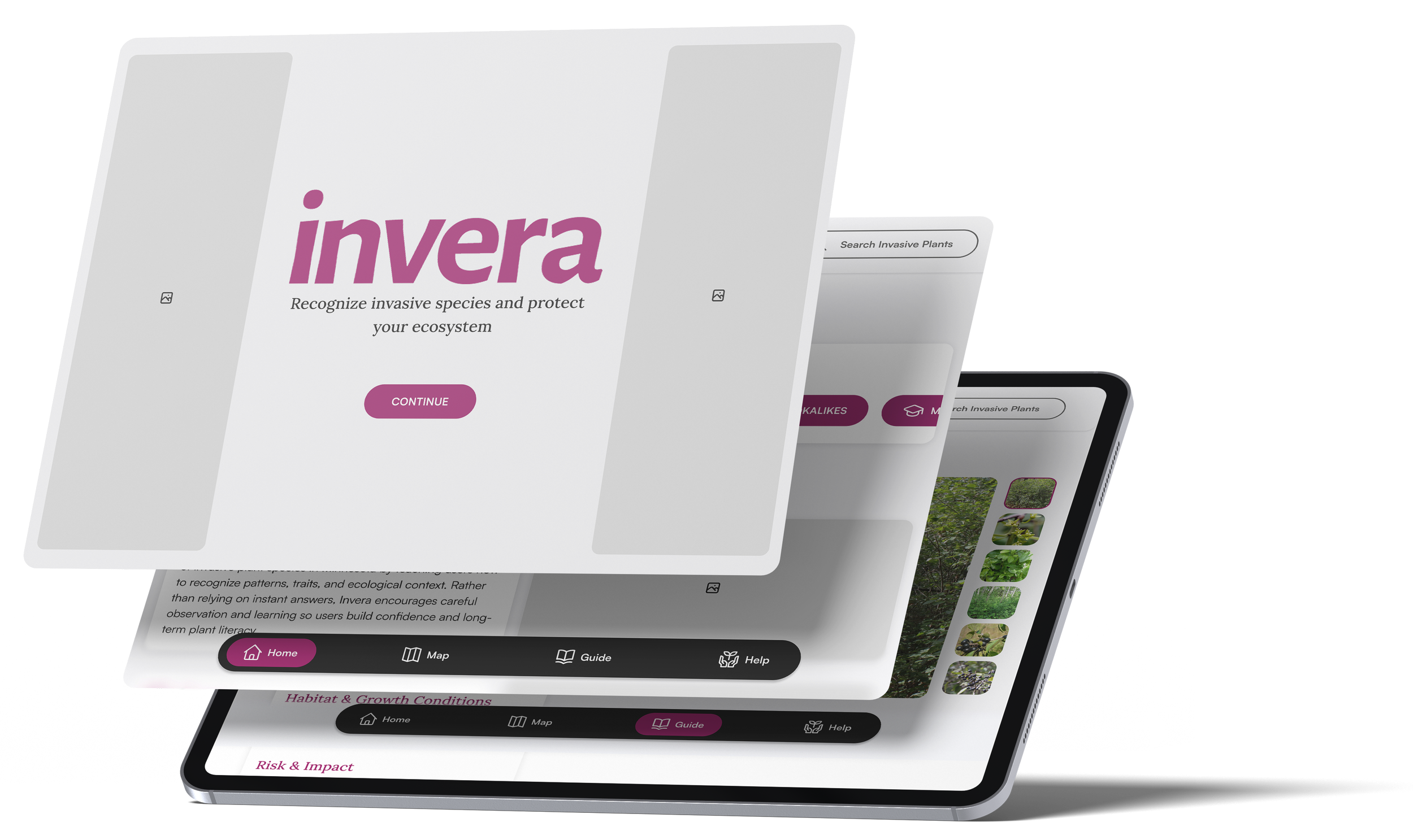
Helping people across Minnesota understand and identify invasive plant species through curated photographs, trait-based guidance, comparisons, and educational activities.
CLIENT
University of Minnesota
YEAR
Oct, 2025 – Present
The Problem
Invasive plant species threaten Minnesota's ecosystems, but many identification tools rely on technical knowledge or unreliable photo recognition. This makes it difficult for everyday users to confidently identify invasive plants without risking misidentification.
How might we simplify invasive plant identification for everyone?
My Role
As the Lead Digital Product Designer, I led the end-to-end design process, from research and ideation to prototyping and design systems. Working alongside researchers and project stakeholders, I transformed user insights into an intuitive mobile experience that makes invasive plant identification more approachable and educational.
UX Research
Survey Analysis
Competitive Analysis
User Flows
Wireframing
Prototyping
Design System
UI Design
Usability Testing
Journey Mapping
Information Architecture
Responsibilities
Tools
Figma
FigJam
Adobe Illustrator
Research & Discovery
Understanding users was the foundation of Invera. Through interviews, surveys, competitive analysis, and usability research, I identified the biggest barriers people face when learning to identify invasive plants.
User Interviews

Gardeners, homeowners, students, and outdoor enthusiasts shared their current identification methods, challenges, and learning preferences.
20+ Participants
Survey Analysis

Collected quantitative data to better understand confidence levels, frustrations, and desired features.
20+ Participants
Competitive Analysis

Evaluated existing identification apps and educational resources to uncover opportunities for a more approachable experience.
5 Competitors
Key Insights

Synthesized findings into recurring themes that directly influenced the app's features and overall experience.
Information Architecture
The information architecture organized Invera’s features into clear pathways for identifying, exploring, and learning about invasive plants. The structure was designed to keep navigation intuitive while making educational tools and resources easy to discover.
Design System
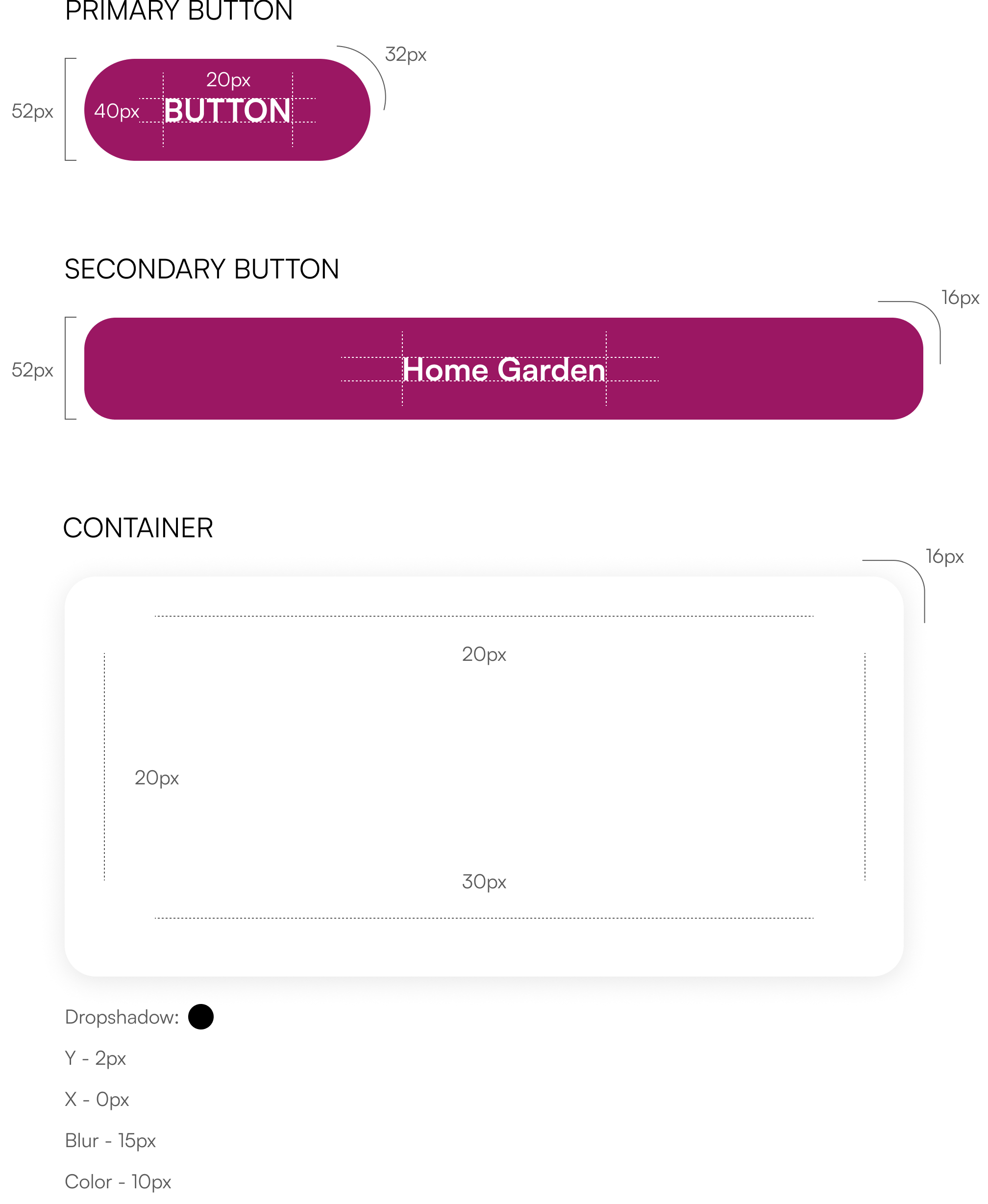
I created a scalable design system to maintain consistency across Invera’s interface, establishing shared rules for color, typography, spacing, components, and interaction patterns.
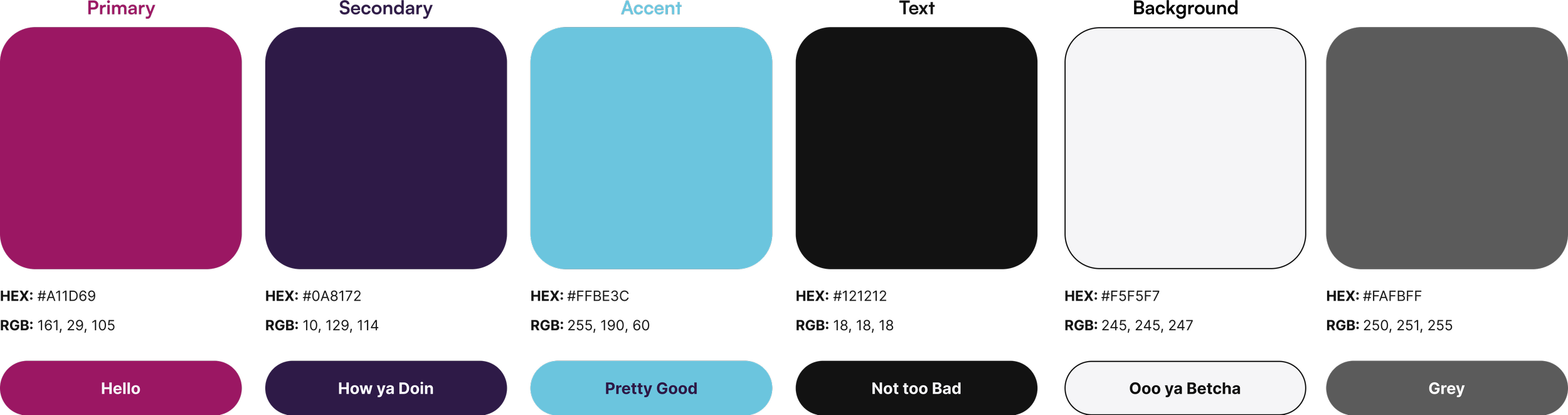
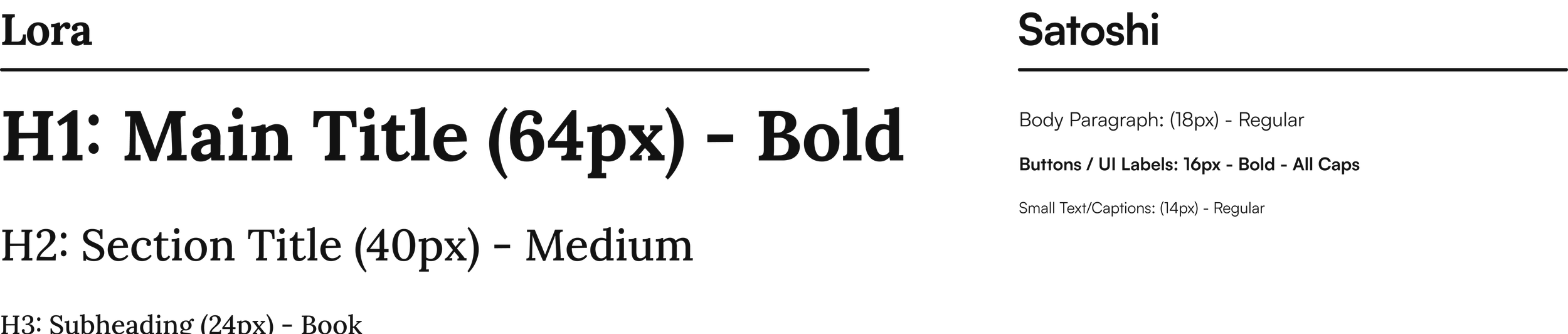
COLOR & TYPOGRAPHY
A color and typography system creates a clear, approachable visual identity while supporting readability across the app. Consistent type hierarchy and color roles help users quickly distinguish content, actions, and supporting information.
LAYOUT & SPACING
Consistent spacing, sizing, corner radii, and component rules to keep the interface organized and predictable. These standards create visual rhythm across screens while helping repeated elements feel cohesive and easy to use.
Wireframes
MID-FIDELITY
Mid-fidelity wireframes helped translate the research and information architecture into structured screens and user flows. I focused on content hierarchy, navigation, and feature placement before moving into the visual design of Invera.
HIGH-FIDELITY
High-fidelity designs brought Invera’s structure to life through a cohesive visual system, accessible components, and curated plant imagery. The final screens focused on creating an intuitive experience that makes identifying, exploring, and learning about invasive plants approachable.
Prototype
Understanding users was the foundation of Invera. Through interviews, surveys, competitive analysis, and usability research, I identified the biggest barriers people face when learning to identify invasive plants.
Reflection & Key Insights
Understanding users was the foundation of Invera. Through interviews, surveys, competitive analysis, and usability research, I identified the biggest barriers people face when learning to identify invasive plants.